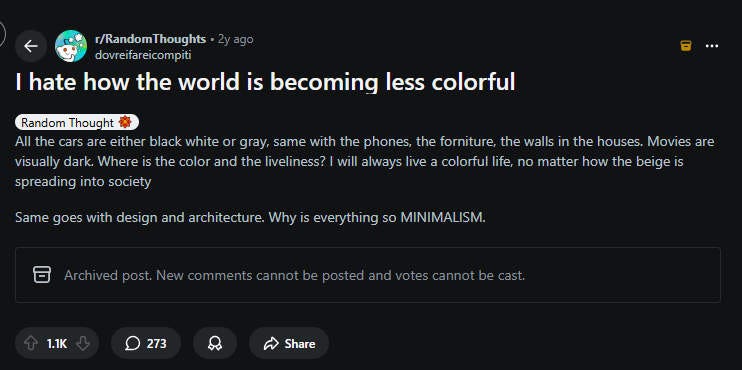
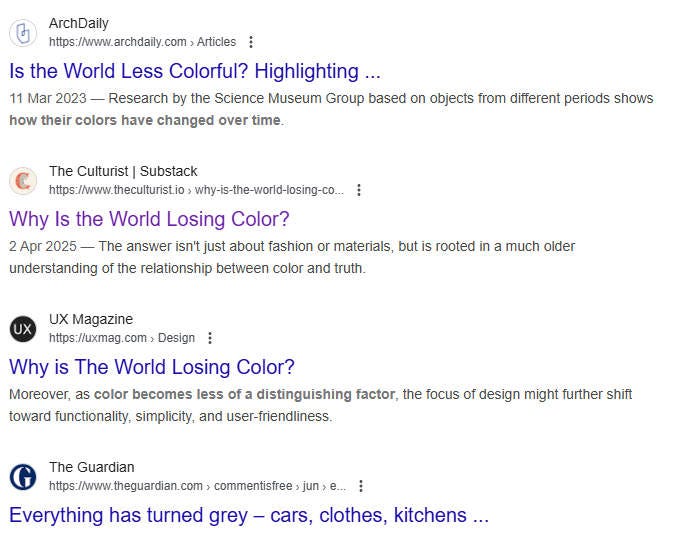
Hello! This is Everything Is Amazing, some random idiot’s attempt to chart the bounds of his vast ignorance while semi-successfully masquerading as a science writer. (There, I said it. Only time will tell if this ruins me or not.) Before we start - a quick update on a previous story. Earlier this year I wrote about the ‘blobs of nightmarishly gargantuan proportions’ thousands of kilometres under the surface of Earth that seem to be feeding the tree-like mantle plumes responsible for some of the world’s volcanic hot-spots. It’s been proposed, somewhat speculatively so far, that they’re remnants of Theia, a Mars-sized protoplanet slamming into the Earth some 4.5 billion years ago on our planet’s undisputed Worst Day Ever, and ejecting enough debris into orbit that it glommed together into what we know as the Moon. This week, a fascinating update: a new study from the Max Planck Institute for Solar System Research looking for the fingerprints of Theia in iron isotopes from lunar & Earth samples and meteorites has concluded it must have formed in the inner Solar System - but maybe just a bit closer to the Sun than us. (Just how much of a neighbour it was is currently unknown, and maybe even impossible to determine.). Regarding the mind-boggling drama of a proposed Earth-Theia impact, imagine a lava lamp the size of a planet: 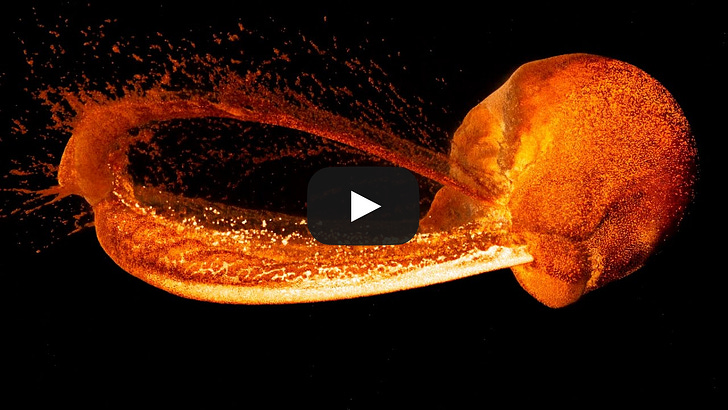 Thank heavens that 4.5 billion years is a surprisingly long time (as I tried to explain here). On a very different scale, I was tickled by this tragic reminder that it’s not easy being a writer these days:  Almost a year now since I received this absolutely classic burn from the Canadian government.  Fri, 21 Nov 2025 21:10:54 GMT View on BlueskyStill, on we go! In a few days, an update on my quest for a good night’s sleep. But for today’s focus of my invalid occupation, I’m making a start on a sequel to this newsletter from late 2022… …about how the ancient world was a lot more colourful that most folk would believe. The implication that accompanies that argument: hey, so that means the modern world has less & less colour in it, right? Some people think this is becoming something to worry about:
Sweeping statements like this always make me curious - and by curious, I mean enormously suspicious. To me, they usually sound like two things:
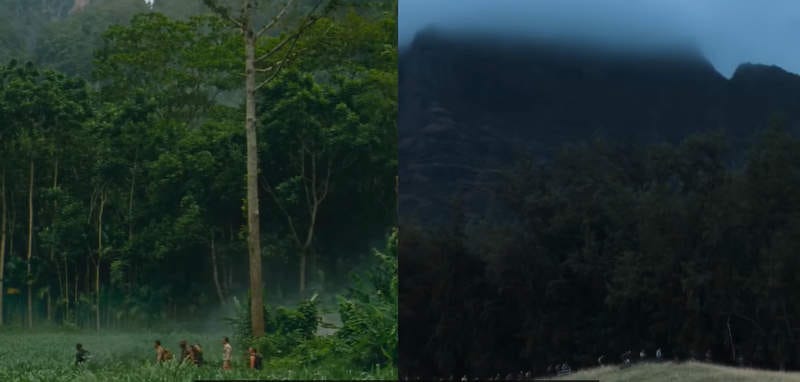
What I want to know is: what’s the measurable data for this stuff? Or, since this is a cultural argument that’s incredibly difficult to measure (and arguably much easier to write fashionably opinionated think-pieces about), where’s a more nuanced view of all this that isn’t automatically assuming the future is becoming colourless? (Because hey, how much of this anecdotal evidence is being cherry-picked, unconsciously or otherwise, to bolster that trendy ‘Modern Life Is Rubbish’ viewpoint?) A tiny example. It’s being suggested that cinema is turning towards a chilly monochromatic look - The Culturist explicitly says it here, using Ridley Scott’s Napoleon as a recent example. But if we’re relying on case-by-case examples - I mean, we really shouldn’t, but if we were - here’s a still from a fascinating video that Simon K Jones recently shared:
On the left, a still from this year’s Jurassic World Rebirth - and on the right, from The Lost World: Jurassic Park (1997). Which one of these looks more colourful to you? The difference seems stark to my eyes. So maybe there’s a lot more to this question than an unstoppable worldwide march towards a washed-out future? Let’s take a look!... Subscribe to Everything Is Amazing to unlock the rest.Become a paying subscriber of Everything Is Amazing to get access to this post and other subscriber-only content. A subscription gets you:
|