|
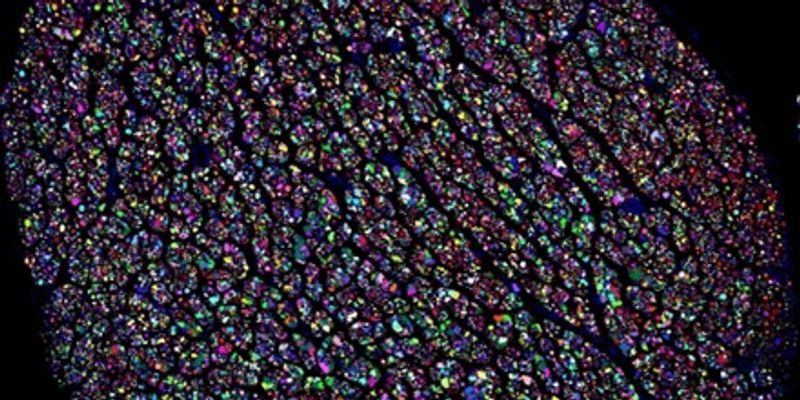
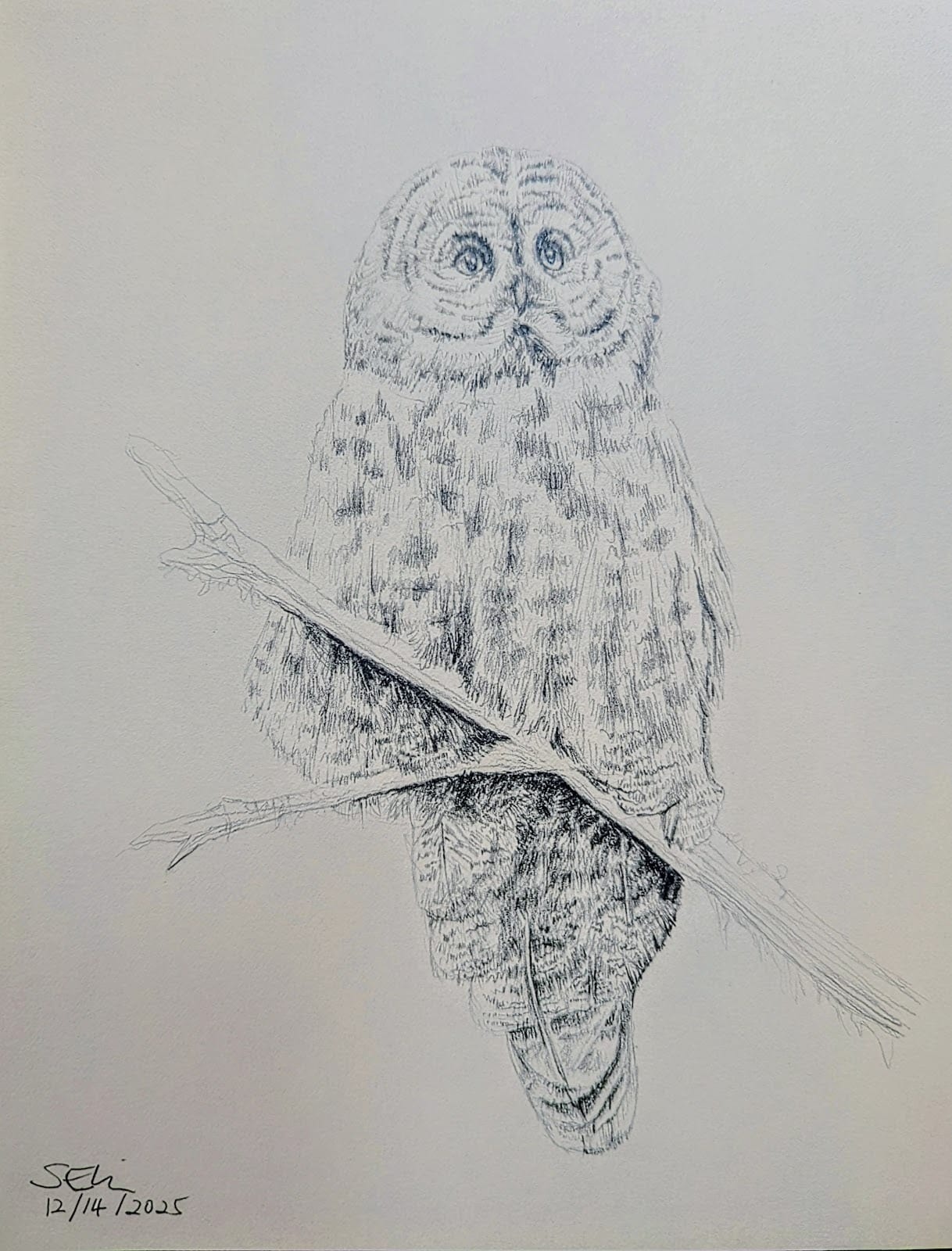
Howdy Sequencer gang, I recently wrote about how studies of the vagus nerves are upending our understanding of the nervous system and the immune system. The nervous system can control the immune system to a much greater extent than we'd ever realized, and that's opening the door to sci-fi sounding treatments like dosing small electrical impulses to treat autoimmune rheumatoid arthritis. So-called neuroimmunology is blossoming well beyond that, too. At a recent conference of the Society for Neuroscience in San Diego, scientists in one symposium presented research that pushes the frontier in directions I didn't expect. “One novel function on the sympathetic nervous system that we're starting to appreciate more in recent years is that it also may [control] immunosuppression,” Anna-Maria Globig, an Allen Center researcher who studies the immune system. Globig asked how the nervous system affects a set of immune cells, called T-cells, during chronic disease. In chronic diseases like cancer and viral infections, certain types of T-cells normally help knock out a threat. They identify viral materials or tumors, eliminate them with a cocktail of biochemical defenses of their own, and they trigger inflammation that forms a memory of the threat. “They actually are the cell type that responds to ‘checkpoint therapy,’ which has revolutionized cancer care over the last decade,” Globig said. Over time, these same T-cells tire out. So-called “exhausted” T-cells no longer neutralize viruses or tumors. The first clue as to why came when Globig’s team investigated where these exhausted T-cells actually appear in the body. Exhausted T cells migrated close to nerves in the spleen. The spleen is an important player in immune function because it releases noradrenaline, a hormone that can temper inflammation. Why this might happen? When Globig and others compared the genetic blueprints of T-cells exhausted and not, one difference stood out: the gene ADRB1. “What I found consistently,” Globig said, “is that as T cells become more and more exhausted, they up-regulate expression of [ADRB1], a receptor for noradrenaline.” Exhausted T-cells move toward the splenic nerves in pancreatic cancer, lung cancer, and Crohn’s disease. The results suggested that fatigued T-cells mingle with nerves in a way that can weaken immune response, even during chronic disease when a body needs inflammation. Some aggressive cancers like melanomas don’t respond to checkpoint therapies, potentially because the reservoir of T-cells is simply too exhausted. But if the ADRB1 gene is like a switch for T-cells to go from helpful to helpless, Globig wondered whether it’d be possible to switch exhausted cells back. And she already had a drug to test this theory: beta blockers. Beta blockers act on the nervous system hormones like noradrenaline to block the effects of stress. Some act specifically on ADRB1. Others act more broadly on other receptors of noradrenaline. In a recent study, Globig found that the beta blocker atenolol improved the effects of immunotherapy in mice with aggressive melanoma. A different, more broadly acting, beta blocker then helped beat back pancreatic cancer that wasn’t responding to immunotherapy. Hormones are fundamentally molecules of communication. These advances uncover an entirely new way in which medicine may communicate with our nerves and immune cells — to essentially perk them up when we really need them. “Over the last 5 or 10 years, we see a variety of different nerve types in these tumors,” Globig said. “We're really only starting to understand sort of what the net outcome.” There are now several clinical trials combining beta blockers and immune checkpoint therapies for chronic diseases, including prostate cancer, pancreatic cancer, and triple negative breast cancer. 🫡 Here's one more cool thing I learned at the conference 🫡 What the hell are immune cells doing inside the brain? Neuroscientists used to think that sexual differentiation in the brain (whether an embryo veers more toward male or female) only involved neurons. Sure. Logical enough. But that’s been proven wrong because…there are immune cells in our brains and they’re extremely important to how we develop. “Who would have thought that there were immune cells in the brain, that the brain would have its own immune system?” said neuroscientist Margaret McCarthy in an invited lecture. We now know that these cells are large mobile white blood cells, known as microglia. They form in the embryonic yolk sac and they migrate into the brain during development. “Rather than sitting there inertly or quiescently waiting for something to happen,” McCarthy said, “they're real busy bodies, and they're checking on their neighbors all the time.” In a 2012 paper that McCarthy called a “bombshell,” researchers showed that microglia sculpt the neural circuits of the visual system. The following year, researchers found that microglia are “essential to masculinization of brain and behavior.” It then turned out that a different set of immune cells also influence sexual behavior in the brain. And, more recently, McCarthy’s team has shown that the neonatal brain brims with a complex, balanced population of immune cell types: “Mast cells specifically, and early-life inflammation generally, have been linked to heightened risk for neurodevelopmental disorders, and these results demonstrate a plausible source of that risk.” In a separate presentation, a researcher from Google’s Calico Labs noted the microglia are the cells most significantly impacted by aging in the brain. They’re beginning to uncover why the brain’s chemical environment tends to age cells more. Alright that’s enough yapping from me. As always check out our updates and recs below. Happy holidays and thanks for reading, Max What we’re consuming:Max: As the year winds down I’m drifting deeper into consumption mode. It’s not really intentional tbh. I think I’m just less overwhelmed by the usual Deadline Cortisol. So I’m scrolling, reading, watching, listening, daydreaming, and scrolling some more. Here’s some stuff that’s left a lasting impression on me: 🐟 This NatGeo story from Lois Parshley about why Alaska’s rivers are turning bright orange from November, and her Bluesky thread about why a recent NYT piece on the same subject missed the mark. 🦴 This final story ever from SAPIENS, an online magazine I’ve really enjoyed over the years. It's about ancient dog burials. Unearthing What Archaeologists Can and Cannot Know ♥️ This heart melting episode of Wild Card featuring author Jason Reynolds. He makes a really touching case for remembering to have a belly laugh, tell someone you love them, and do a kind act every day. Obvious stuff but if you’re in a mood for sappy wisdom that doesn’t feel corny then this one is for you. It’s about 40 minutes long but well worth every second, I assure you. It brought me to tears and moved me in general. 🏀 Watching my OKC Thunder continue to dominate, even if they happened to have lost the other night to the “player who is proportioned like one of the Na'vi guys from Avatar” 🗺️ Reading Maddie’s brilliant new piece for Slate about how “Find My” is actually the best social media app. (Scroll lower for more from Maddie below) 📽️ Hamnet. 🍫 Chocolate mousse (see below) Maddie: New Jon Bois video dropped, so you know what that means….I am recommending a Jon Bois article about his time at RadioShack from a decade ago. Ages like fine wine. Kim: I personally think that AI can’t replace boots-on-the-ground, accurate journalism, but of course some corporate owners and people — usually those who aren’t in the media industry but throw out lots of mistaken assumptions about it — view otherwise. Scarier yet, it’s getting harder for those who believe in journalistic integrity to suss out AI inventions from reporting actually done by real humans. Here’s one fascinating but horrific story of one slice of that dystopian future, about an editor who went down the rabbit hole of how one freelancer duped so many other editors in her pitches: What we’re producingMaddie: I recently wrote about “Find My,” the location-sharing app that was seemingly meant for misplaced electronics that’s now become a de facto social media app. I had fun diving down this rabbit hole and I hope you do, too! And I learned so much by asking all my friends how many locations they have (a fun icebreaker, I promise.) Max: I’ve done it. My friends. I’ve done it. I’ve made a chocolate mousse with relative ease that actually tasted good. This is my third mousse in about 3 years. First one was great, but an intimidating level of work. The second was a failure: chunky and embarrassing. But this most recent one restored my hope. And so easy. Just melt shards of chocolate with boiling milk, and fold in stiff-ish sugary egg whites. That’s it. It wound up very rich and dense but I already know exactly what I’ll change next time (read: hopefully soon). Lmk if you want the recipe. The recipe comes from the chocolatier from France that I mention toward the end of this story: As far as work goes, I’ve got a few freelance features in progress and will bring you guys a story about animal conservation at San Diego Zoo. Stay tuned. Kim: Amid some major life changes in the past few weeks — more on that in a future newsletter — I turned to familiar, dusty pastimes for comfort. I picked up a pencil and started sketching again. This time, I drew a great gray owl, the ghost inhabitant of evergreen forests in the California Sierra Nevadas, the Pacific Northwest and up further north. These silent hunters are one of the tallest owl species, up to 33 inches tall, yet they’re pretty much all floof, weighing only 2.6 pounds for males and 3.7 pounds for females. They’re graceful, sagely, elusive. Yet they’re also capable of comical acts too — watch this owl faceplant in the snow while hunting. Whoops. What else should I draw? Feel free to shoot me an email at kim@sequencermag.com with suggestions. I still owe a Jonathan an orangutan — sorry Jonathan, one day I’ll get to it! I’ll admit, I’ve been too nervous to try, and I usually have more success with birds than mammals.
|