New in the collection, pt. 1: Keyport 717
Newsletter №45 for Shift Happens, a no-longer-upcoming book about keyboards
By Marcin Wichary
View online · Unsubscribe
As soon as the last copies of the book made it to people, I ran away from it toward other projects, none of them including print – a talk about pixel fonts, a long, wildly illustrated essay about Gorton, a highly interactive design piece using emulation in new ways, and a new homepage to bind them all together. Outside of a few small online “reprints” (I put up the contents of the Return/Enter booklet, as well as the chapter about QWERTY and Dvorak online), I have not really dipped my toes much in the keyboardland after 7 or so years of living there.
But saved searches on eBay and keyboard friends don’t just go away, and over the last two years, I acquired a few interesting keyboards. I wanted to share a few of them with you as a sort of end-of-2025 thing.
A loose theme here would be: these would all appear in the book had I received them before the book was published. (Another loose theme would be: Marcin’s weird obsessions.) I hope you enjoy these!
⌘
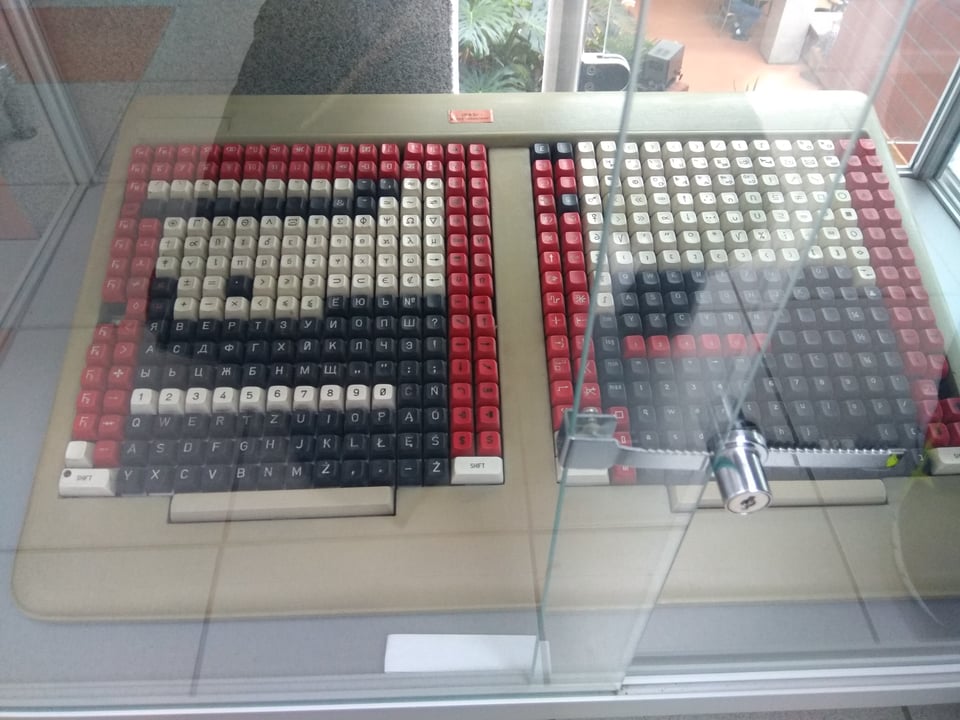
I once tried to chase the keyboard with most-ever keys, but that never really led to an interesting story.
In an early newsletter I listed all the contenders to the title and connected a mystery keyboard with a staggering (but non-staggered) 510 keys to an obscure Polish typesetting system PolType. This still remains the largest proper mechanical keyboard that I know of.
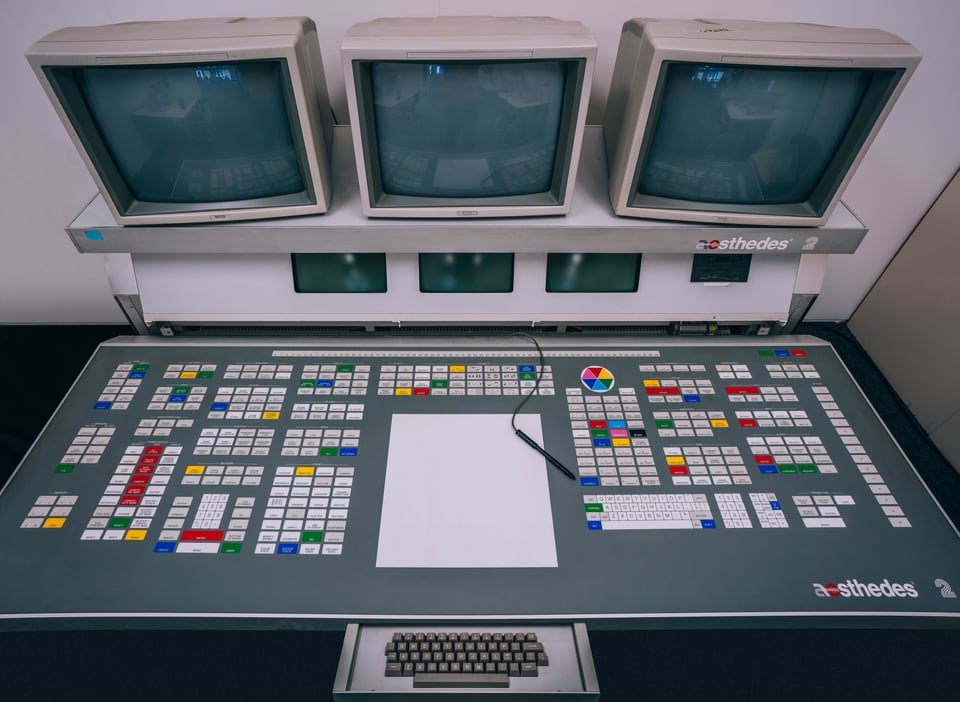
Some years later, a new keyboard I learned of dethroned it. It was one attached to a Dutch graphic system Aesthedes, a fascinating hybrid keyboard with an astonishing 636 total keys – most of them, however, membrane. I wrote about it in 2022, and even included its photo in a late chapter of Shift Happens that showcased the amazing variety of keyboards all around us.
Now, it is time to dethrone Aesthedes and move up to the next hundreds notch.
As of last year, I am in possession of what might be the keyiest extant keyboard. And I’m not sure how to feel about it, because it’s exactly the kind of caveated, disappointing non-story that every chase for “the biggest X” or “the oldest Y” arrives at.
⌘
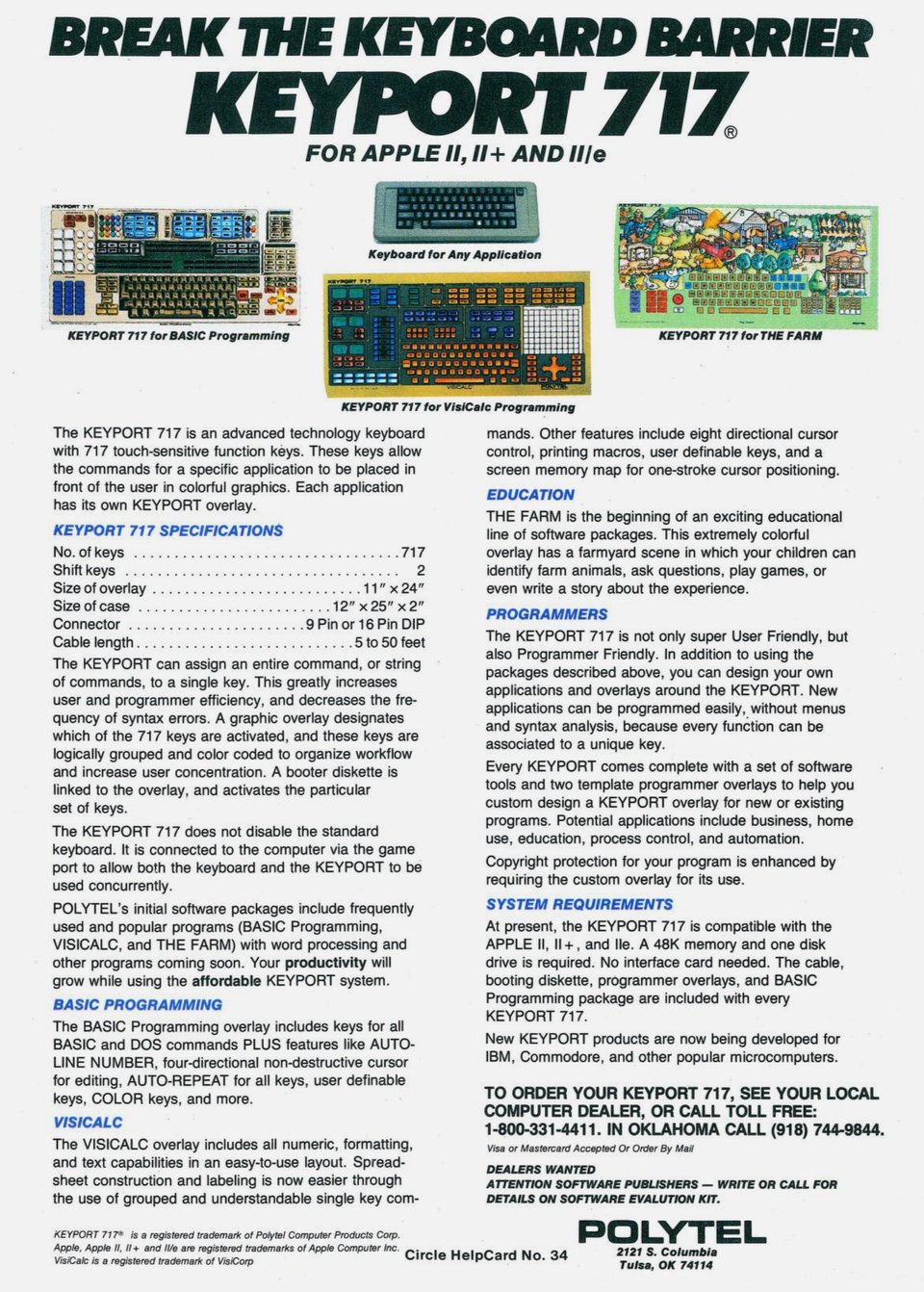
The keyboard is called Keyport 717. It’s from 1983, and meant to be connected to the then-still-wildly-popular Apple II. As the name might suggest, it sports 717 keys.
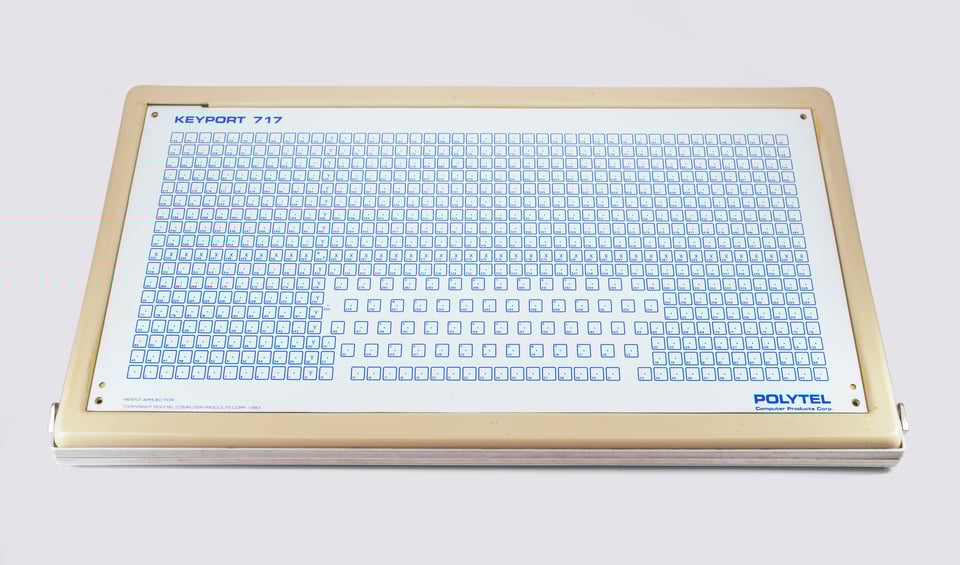
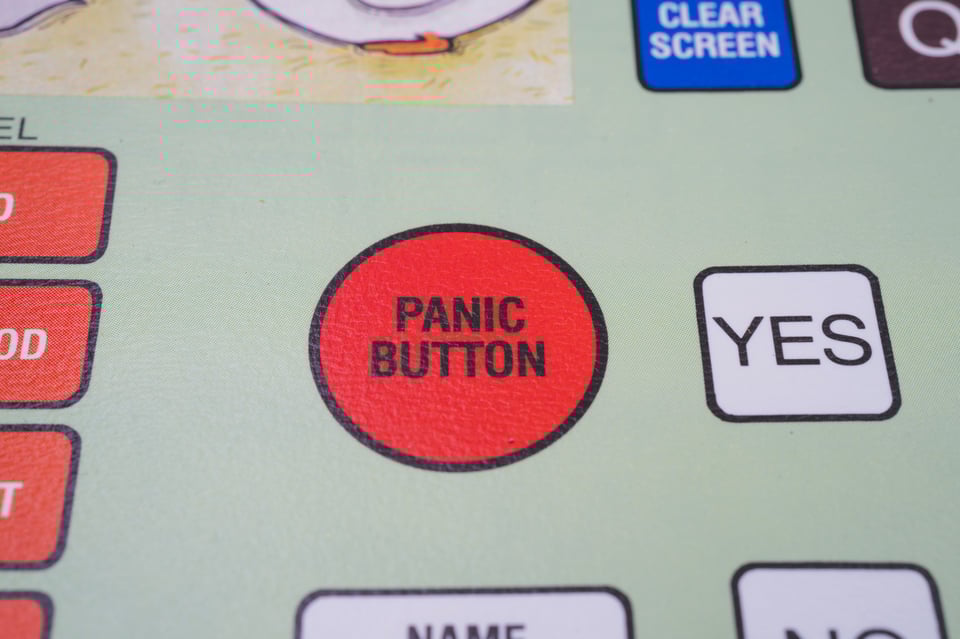
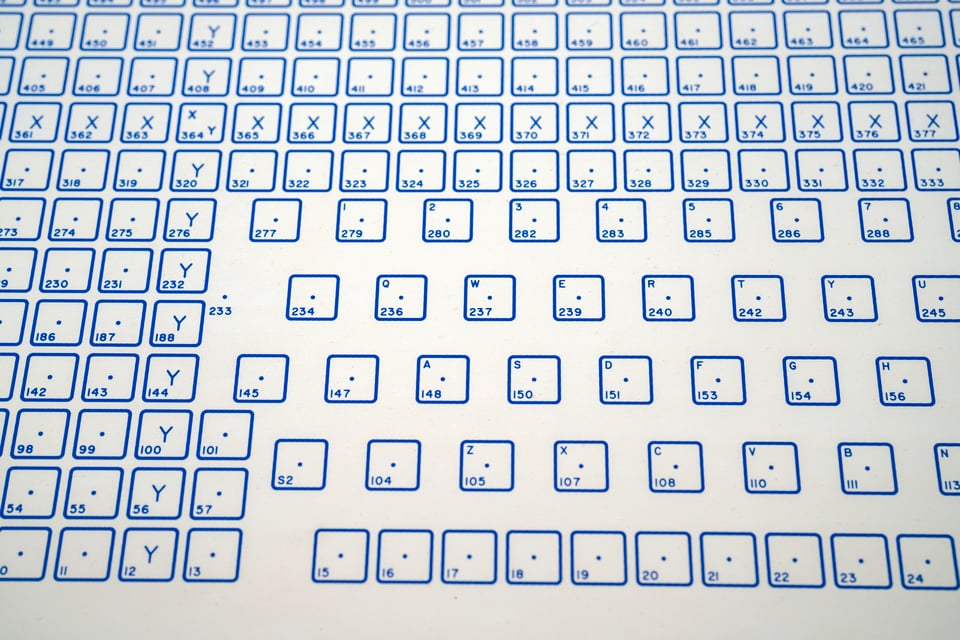
And yeah, you just experienced the same sinking feeling I did. This time, the keys are all membrane. And those are the least kind membranes, too – no keycaps plopped atop to be pressed, no Spectrum chiclets, not even Atari 400-like ridges to guide your fingers. Just a flat surface with 717 sensors hiding underneath.
The keyboard is, principally, a more universal version of what Aesthedes was trying to accomplish. I got it with a few overlays to be swapped as needed.
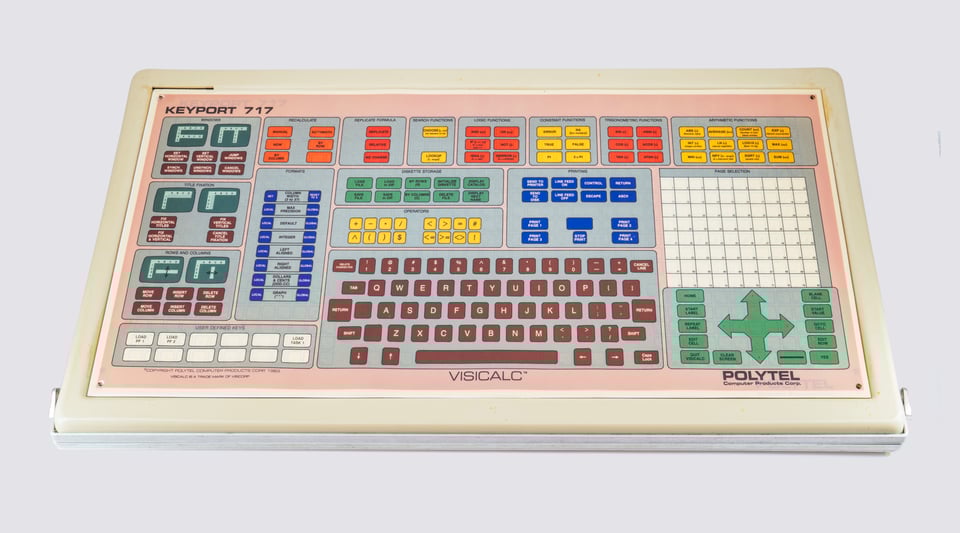
There is one for VisiCalc, the most popular spreadsheet of the day. Even here, it’s interesting how quickly the keyboard itself stops feeling like a keyboard, and starts appearing more like a… graphical user interface. There are some bigger keys that show visual previews, a few huge arrows, and a whole minimap-like section, allowing you to just jump from page to page quickly.
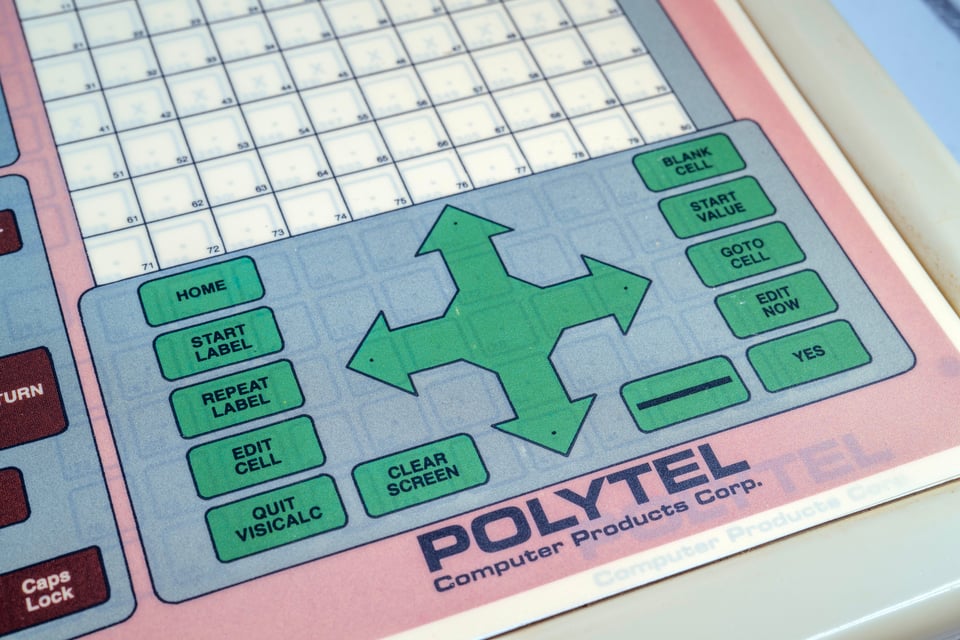
There are also functions and formats and common punctuation, and everything is grouped spatially in various ways. Turns out, if you start with 717 sensors, you can sacrifice a lot of them – counting the actual keys will tell you that this particular overlay has in the end only 287 of them.
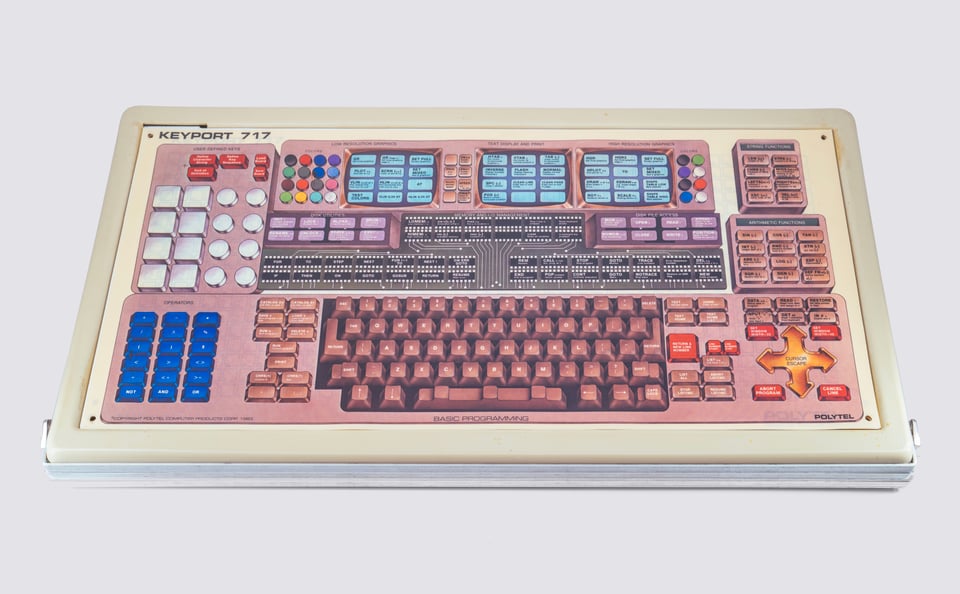
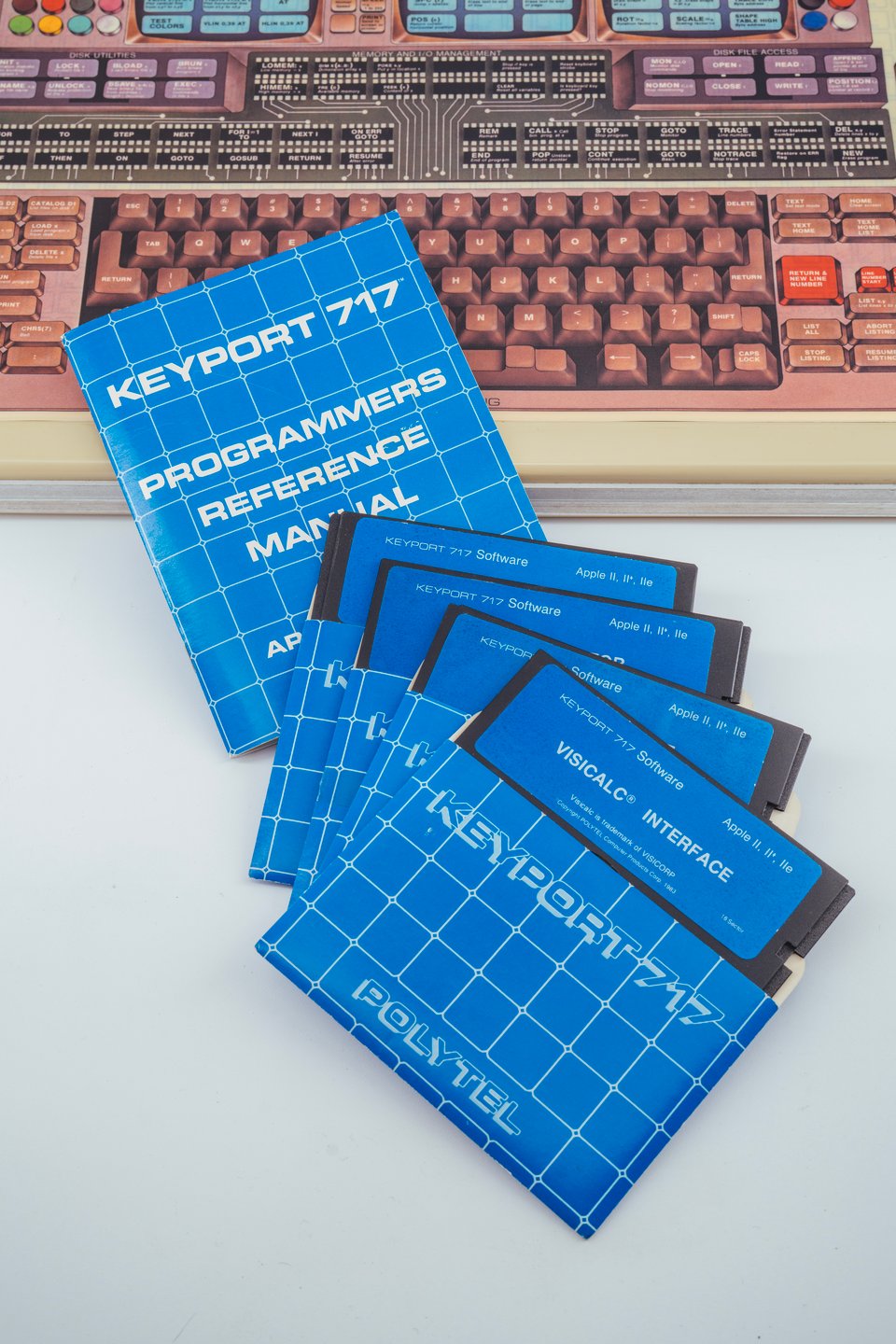
The overlay for BASIC is similar, but more visually fascinating, sporting enough skeumorphism to qualify for some sort of Rich Corinthian Leather Award. I particularly enjoyed chips with functions and little screens with, I guess, more functions? Little of this makes systemic sense to me, but it feels awesome.
The last included overlay is where this keyboard shines the most, splitting itself between regular keys and a more freeform scene that seemingly eschews the rigid sensor grid underneath – although upon close inspection, you can spot little stars to guide the fingers toward one of the 717 spots.
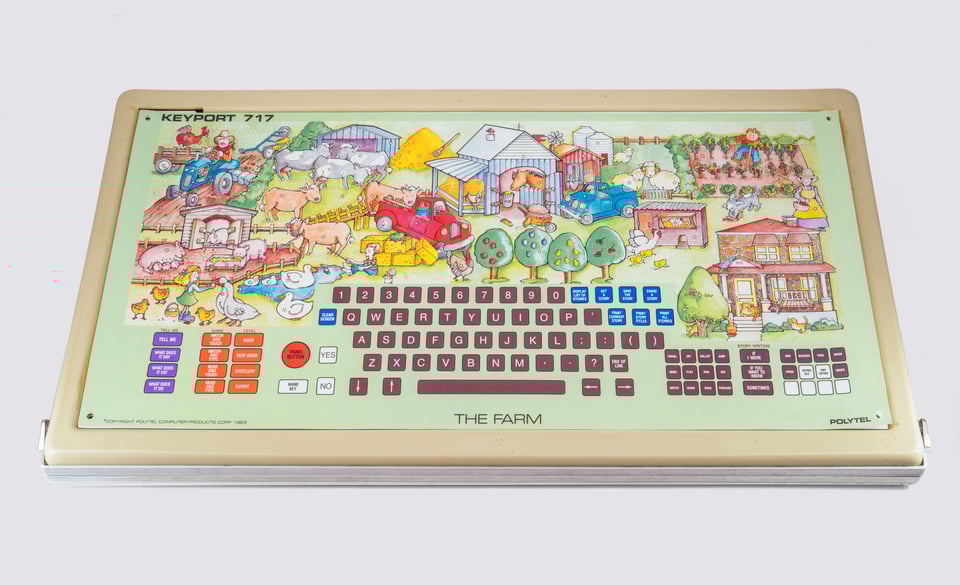
I bet the included game (The Farm) was probably as bad as those kinds of educational titles usually get. But you have to admire something vaguely gesturing toward the flexibility of blank slates of iPads almost thirty years earlier than them.

A strangely glowing review in Creative Computing told the story of the crowd at a computer show ignoring the “lonely and forlorn” Apple Lisa and choosing to mob this keyboard instead. Even in 1983 this was skating where the puck has already been – but then again, Lisa was also the last bad GUI before Macintosh arrived on the scene on the fateful January 1984 and showed them the first good one.
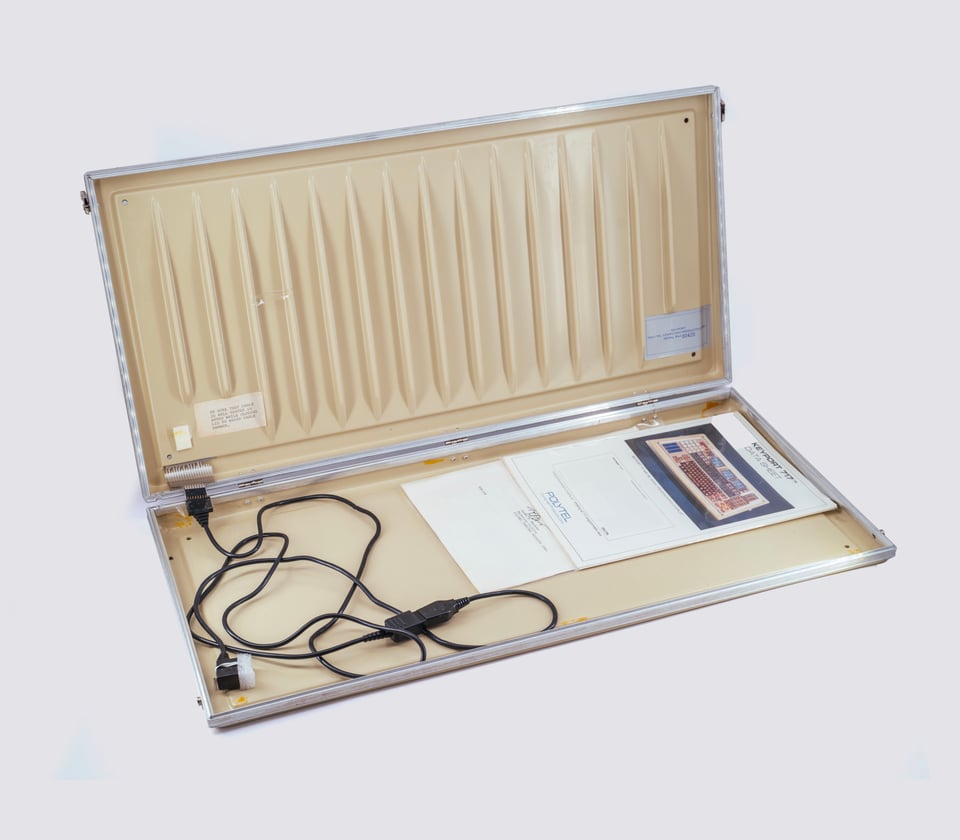
There are some interesting touches here and there. The keyboard serves as its own carrying case – the membranes are thin, so its hollow interior allows to carry templates and other things inside. I like how the style of the disk and manuals celebrate the membranes underneath. And, the blank-slate state of the keyboard, its naked robotic core if you will, even uses Gorton!
⌘
I would love to be able to watch someone who’s really good at VisiCalc and this keyboard using it at the height of their powers. Would they be good? I am not sure. Would they look cool? I bet.
But did they exist? I don’t know. The product of a small Tulsa, Oklahoma company ultimately went nowhere. Mine has a serial number of 420, and something tells me those numbers never ever saw a fourth digit. I doubt promised editions for Commodore, Atari, and IBM ever materialized.
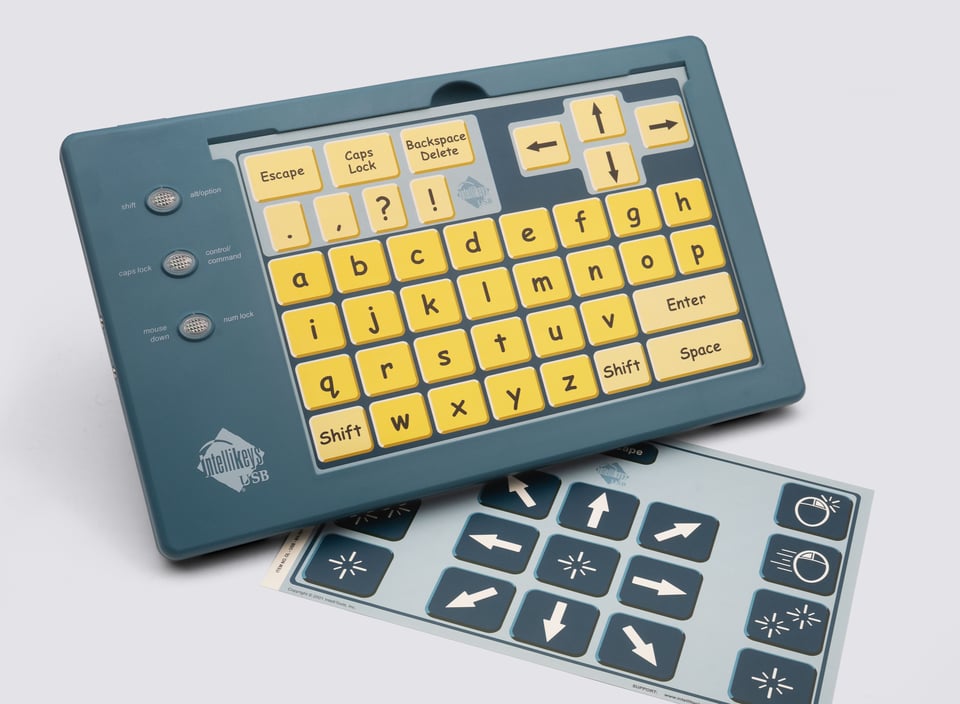
Other companies would visit the same well. A decade later, IntelliKeys would put 576 switches under smaller templates.
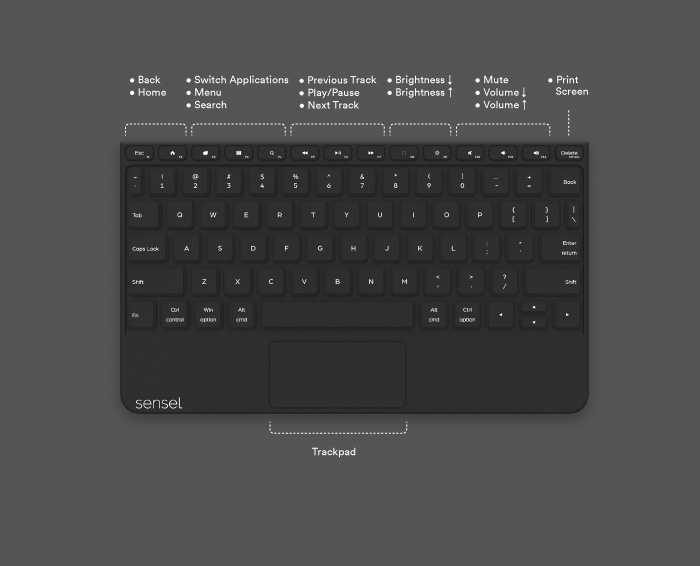
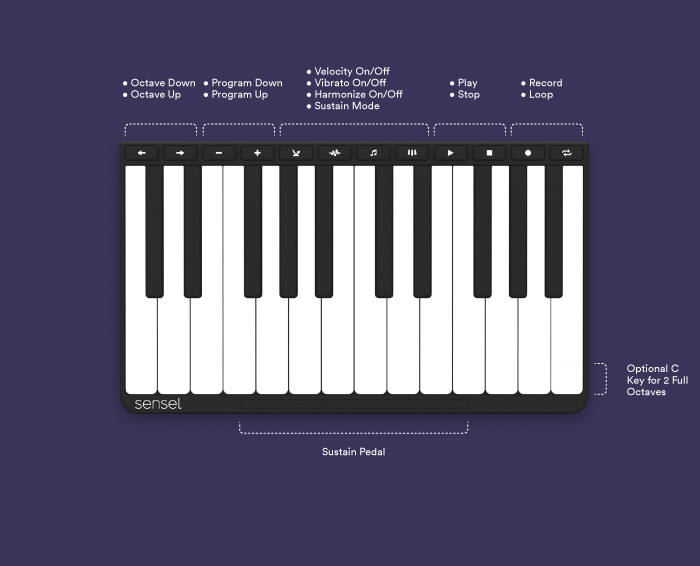
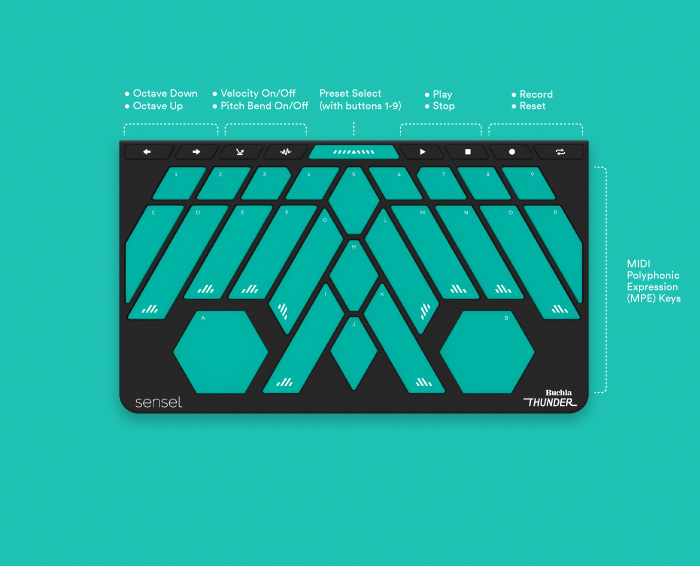
And a decade after that, the short-lived Sensel Morph tried to get maybe the closest to splitting the difference between piano keyboards and typing keyboards.
You could even say the Optimus Maximus was a version of the same idea and today, Stream Deck carries the conceptual torch, seemingly more successfully than any of the keyboards mentioned above.
But Stream Deck tops off at 32 keys, and I don’t need VisiCalc to understand the vast distance between that numbers, and 717. The old design saying goes, “if it’s big and ugly, it’s not big enough.” Keyport is so big it seems to have a horizon, and I can’t help but feel lightly in awe of it.
I scanned the manual and other docs and put them up on Internet Archive if you want to be in awe, too.
Marcin
In a few days: Same era, but a very different keyboard.
This was newsletter №45 for Shift Happens, a book about keyboards. Read more in the archives