Happy new year everyone.
2025 was the year everything became available, and almost nothing felt meaningful.
 | | Sari Azout 1mo everything is available but nothing feels profound. thousands of fascinating things in front of us but none of it transforms. when was the last time your phone gave you goosebumps? i have a growing sense that being moved and orienting towards the sublime requires the very thing we’re designing modern life to remove: friction | | |
|
So I thought what better way to start the year than to ask: What did you encounter in 2025 that truly moved you?
We asked 33 of our favorite people this question.
Share yours in the comments!
Or add it to this community Sublime collection.
P.S. If Sublime has been a place you return to, I mentioned in my end-of-year video that the Founder’s pricing on the Lifetime plan is live for a few more weeks. Get 25% off with code LASTCHANCE.
From Ivan’s Childhood (1962) by Andrei Tarkovsky…
2 years ago · 436 likes · 24 comments · Henrik Karlsson
The third chair by Henrik Karlsson. It’s a short (~400-words), beautiful story of Henrik returning to the place he long persevered—through doubt, despair, loneliness—in doing the work which brought the circumstances of his current life into existence.
It surfaced memories of my own past and, with them, a gratitude toward my previous selves I hadn’t felt before. And then the last line—it made my arm hairs stand up. It’s so good. It resists the writerly urge to overly explain or spell out the takeaway, and trusts that the reader will pick up what he’s putting down.
—Billy Oppenheimer (a researcher and writer who works closely with Rick Rubin and Ryan Holiday)
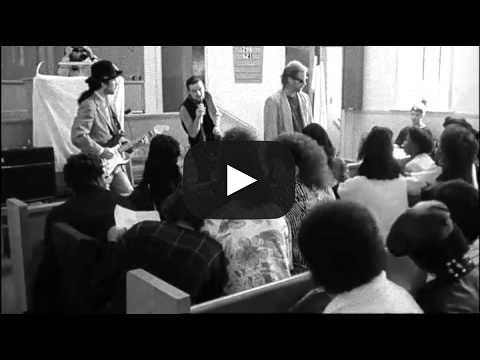
“U2 + Gospel Choir - I still haven’t found what I’m looking for”
—Nicole Ripka, Collab Fund
Why do you want to write about your mother…
a year ago · 219 likes · 81 comments · Mills Baker
One of my favorite essays of the year was this one from the inimitable Mills Baker —an homage to his late mother:
My mother could be reduced only to the scale of climate: you could not call her the sun or the rain or an ice storm or a hurricane, and nothing anyone has calculated or computed would generate accurate predictions about her. I think it’s fair to say that no one ever knew her, which made many want to. [...] Like me, she was very good in a crisis and very bad on a typical weekday; I believe it was she who introduced me to Walker Percy, even taking me to Covington to see where he lived, and he was well-aware of this reality: “It is easier to survive a category five hurricane than it is to get through an ordinary Wednesday afternoon.” My mother was defeated by Wednesdays.
— Jasmine Sun, writer
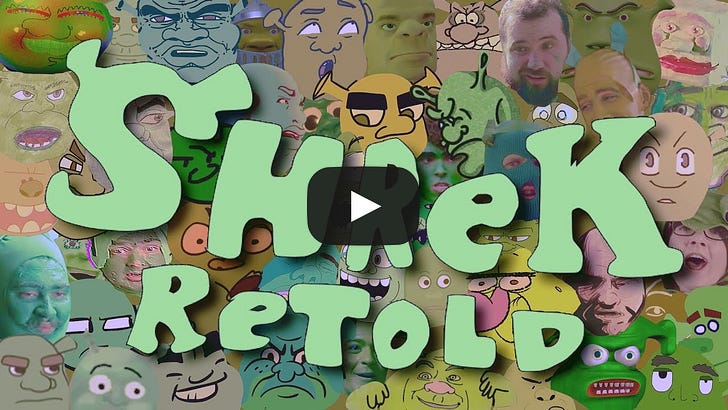
Shrek Retold (2018) I’ve heard the lore, but never watched it until recently.
Shrek Retold is a full re-creation of Shrek by 200 storytellers, each recreating a snippet of the movie in their own style.
An impressive feat in itself, for me, the film put cooperation and creativity on full display. You can just do things. Especially fun things. Especially unnecessary things. And especially together.
—Matt Klein, ZINE
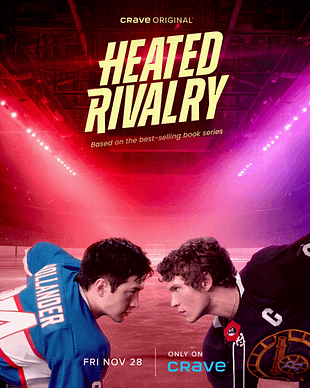
Would you laugh at me if I said Heated Rivalry? I think there was something freeing about watching something so earnest.
—Edmond Lau, meme artist at Nostalgia Express
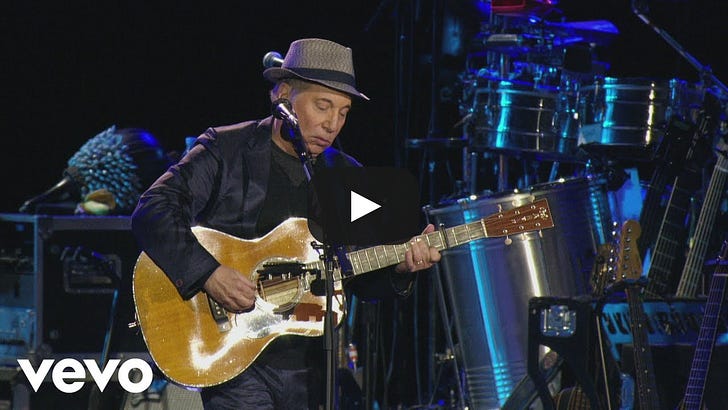
I'm a lifelong Paul Simon fan and saw him live for the first time last July in Davies Symphony Hall in San Francisco. He played his latest album, 7 Psalms, straight through. It's a lovely, meditative, seeking composition - his "death" album.
Then he played the hits. There was a special energy in the building. Paul Simon is 84 years old. Everyone including him knew we were seeing him for the last time. He was small and frail and sang like an angel.
He played a generous four song encore that ended with Sound of Silence. We gave him a standing ovation that lasted forever. We poured our love out to him, thanking him for a lifetime of music that has come to feel like an old friend.
The entire night was magical and life-affirming. (And the small serving of mushrooms didn't dampen my emotions...).
—Ben Springwater, founder of Matter and Halo
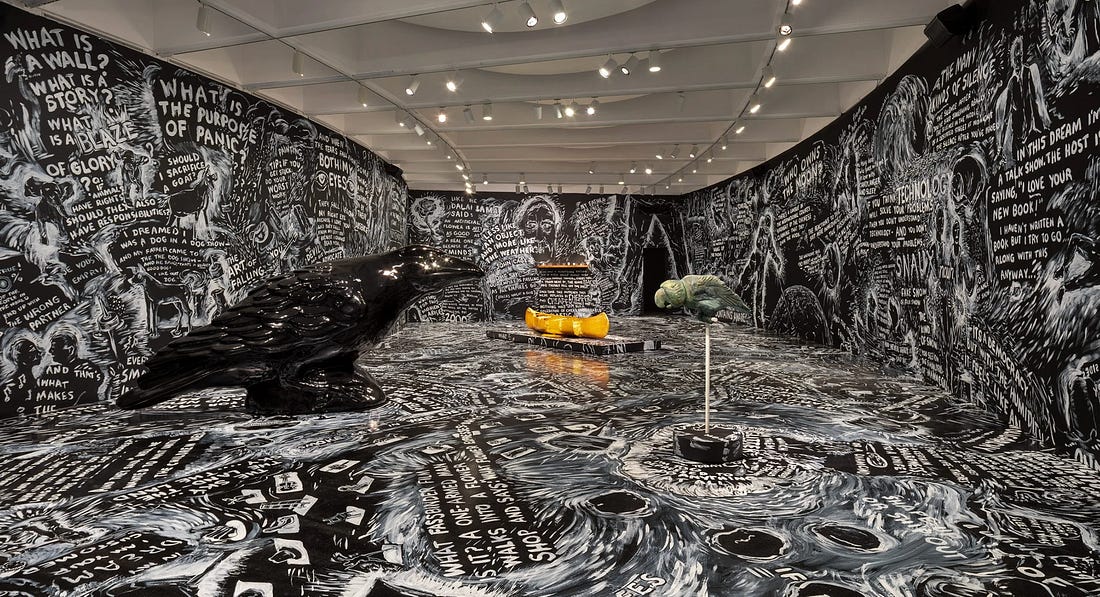
“Four Talks” by Laurie Anderson at the Hirschhorn Museum in Washington D.C. A full room installation in which every surface is painted on with wisdom/provocative jokes. Monumental in terms of actual size, as well as the three-dimensional way it represents an artist’s brain. What it can/look/feel/be like when you let go into the dream. At the complete other end of the spectrum I think about “Guitar” by Mac DeMarco, an incredibly unadorned album that’s one of the realest things I’ve ever heard, and a daily listen for half the year. The songs are great and the guitar playing deliberately basic and emotive (try “Punishment” and “Nothing At All”) while Mac lays bare his heartache. The whole album has an honesty and authenticity worth aspiring to whatever your practice. — Yancey Strickler, Metalabel
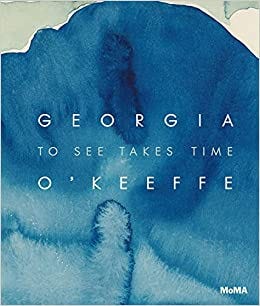
In 2025 I encountered the book To See Takes Time, a collection of Georgia O’Keefe’s lesser known work, and it was extremely influential as I started my business two months postpartum. There is a shell in the book she drew hundreds of times.
Not to perfect it, but to stay close to it and get inside of it. “There is a fascination about trying,” she said. Trying as in: returning, starting over, and being dedicated enough to “keep circling the pencil until it speaks back.”
—Carly Valancy a good omen
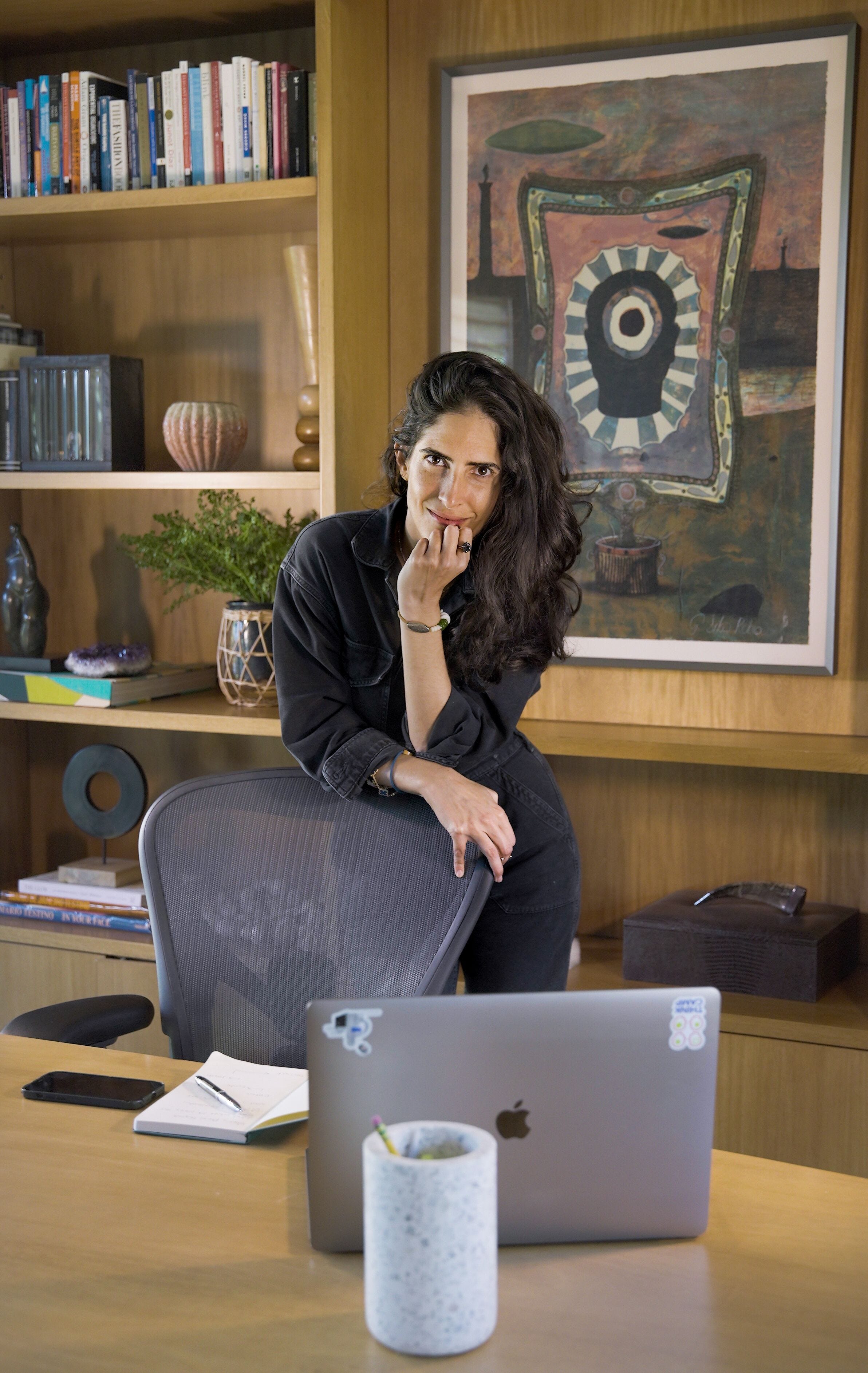
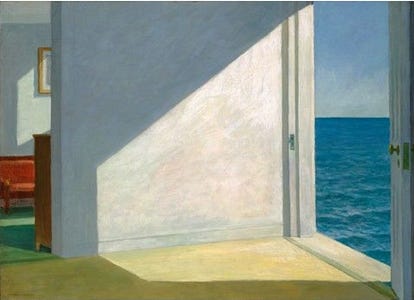
I loved seeing this painting in person. It used to be my desktop background in college.
—Daisy Alioto, Dirt.fyi
This year I started making a documentary about a man who lost everything—his car, his house, his family—but still takes the train every day to the library to work on his horror film script. Watching him choose creativity over despair reminded me that making something is the most defiant form of hope.
—Nate Stranzl, Director & Producer
I’m semi-obsessed with my shirts from @itsashirt.
Small batches, locally produced.
—Kristoffer Tjalve, Naive Weekly
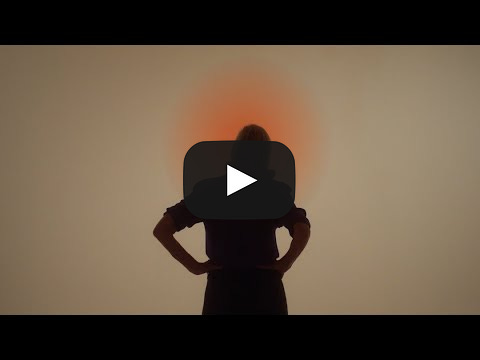
Seeing Helen Pashgian at The Getty.
It’s raining in Los Angeles and I’m crying at the museum. Uncommon for me, but apparently not so uncommon for this installation. I wandered in by accident, but once I was there, I couldn’t tell you how long I stayed, in awe of what was unfolding in front of me.
A great Light and Space artwork, Pashgian’s especially, is like a visual koan. It short-circuits the logical side of your brain in the most beautiful way, freeing you from it. Your mind can’t quite grasp what it’s seeing. It’s always just around a corner, just out of reach. In that pursuit, you’re suspended in the moment with it. It's like a vacation from the ego. Temporary self-transcendence.
For me, that defines these rare moments of aliveness. Being so consumed by something that the boundary between you and the moment disappears. It reminds me of this quote by Ray Ascott: “Stop thinking about artworks as objects, and start thinking about them as triggers for experiences.”
—tadzio dlugolecki, joy arbitrage
Scuba diving the White Wall in Fiji—a dramatic underwater cliff face of luminescent white coral. It’s a deeper dive and feels absolutely surreal, like exploring another planet.
Also: diving with manta rays at a cleaning station.
They look like slow, gentle space aliens, and I got to hover alongside them, observing their grace and movement through the water. Both experiences remain vividly etched in my brain.
—Colin Nagy, Why is this interesting?
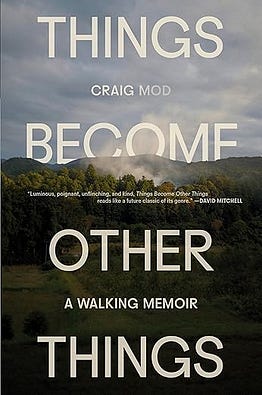
Things become other things by Craig Mod.
I love reading books where you can feel that the author poured their heart and soul into it.
—Paul Millerd, Pathless by Paul Millerd
Reading about Michel Majerus painting during the first internet era.
It reminded me how alive the AI era feels when I’m making things.
— Marc, Danger Testing
 | Dream Horizons, by Polygonia Polygonia 12 track album |
In 2025 I fell in love with the techno producer Polygonia’s Dream Horizons album: wide-ranging, intensely spatial electronic music that drifts in and out of consciousnessness like a dream.
I read two novels that reaffirmed the importance of humor, lightheartedness, and sincerity in the pursuit of one’s values: Mushtaq Ahmad Yousufi’s Mirages of the Mind (1990) and Zoe Dubno’s Happiness and Love (2025).
Dan Wang’s Breakneck is a brilliant nonfiction book, but I also read it as a guide for how to do good work—immerse yourself in the process, make long-term plans, and execute like an engineer (but don’t forget compassion!).
—Celine Nguyen, personal canon
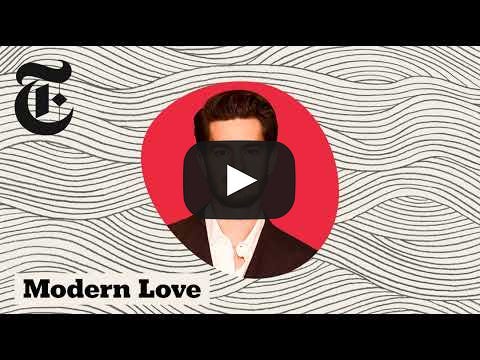
This is the year I learned that love and loss come together, and that our greatest pains are the path to deeper love. A couple of days before the year ended, my friend Ophelia sent me this episode of Modern Love with Andrew Garfield, in which he reads Learning to Measure Time in Love and Loss.
It was bizarrely good timing, like a summary of what had been on my mind, expressed beautifully.
—Lola Wajskop, Asylum VC
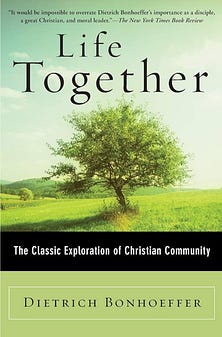
Life Together by Dietrich Bonhoeffer
— Reggie James
I'm an avid reader—primarily fiction; give me your high school reading curriculum and I'll devour it. I read because it takes me out of the day-to-day of running a company with 3 small children at home.
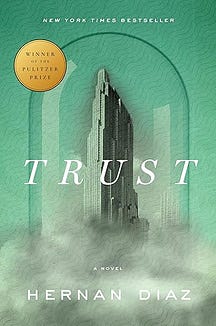
This past year, I read a book called Trust by Hernan Diaz that lives rent free in my brain. The book is magnificently written as the same story told from 3 perspectives. It captivates the reader, doesn't tire, and you can't put it down.
The ending is so powerfully unexpected, it causes me to pause and reflect every so often about the unexpected twists in my own life.
I can't recommend it highly enough.
—My friend Ellen DaSilva
I was moved by the kindness of new friends this year.
Becoming a mom, there were so many moments that touched me and reminded me of the simple grace of generosity. Practically, the meal train a girlfriend set up will move me until the day I die.
—Erika Veurink, Long Live
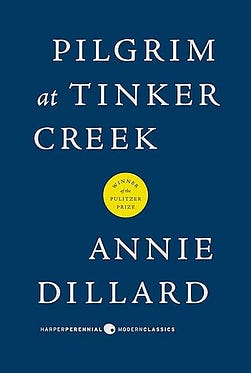
Annie Dillard’s “Pilgrim at Tinker Creek.
Part nature writing, part philosophical meditation, “Tinker Creek” consists of fifteen chapters inspired by dozens of journals Dillard kept in the early 1970s to record her solo walks around a valley in deep, rural Virginia.
There is no real plot to speak of. Most chapters revolve around Dillard heading out to the creek and just waiting. For a muskrat to appear, a praying mantis egg to hatch, a morning light to cast its mountain shadow. “Tinker Creek” is, without question, one of the hardest books I’ve ever read. And also one of the most impactful, because it’s taught me the value of seeing—not just beauty, but also ugliness.
Both are unfolding around us constantly, on scales big and small, whether we sense them or not, and something started changing in me when, like Annie, I tried to be there for all of it, even the moments that were painful.
Here’s the piece I wrote in response.
— Lauren Crichton, Sana
Two things moved me to think about life this year.
One was traveling to Taiwan to see my grandmother, who is 87, for the first time in six years. Between the pandemic and having young kids, the long gap happened unintentionally, yet I still regret it. At one point she told me, plainly and without much emotion, that because the trip is so long, I shouldn’t feel pressure to come back if anything happens to her. I keep thinking about that, and whether it was her way of showing love by trying to ease a burden she could already see coming.
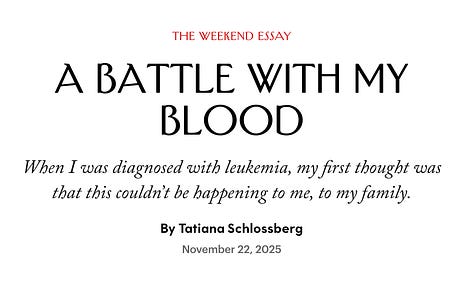
The other was Tatiana Schlossberg’s essay, “A Battle With My Blood.” What moved me wasn’t just her fight with cancer, but reading about someone with a full, beautiful life being forced to look at it directly… to sort through memories, habits, and days while still living them and quietly take stock of her life. Her words made the present feel exquisitely and painfully delicate in a way I can’t quite shake.
—My friend Joy Chua
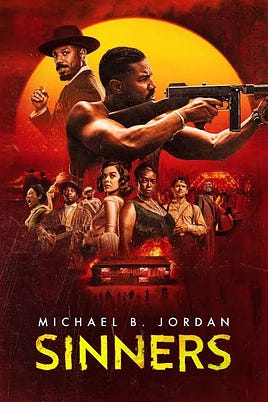
What moved me in 2025 was the film Sinners.
Despite the incredible pace of change in the wider world, so many things (products, blogs, cultural artefacts) I came across last year didn’t feel original.
The starting point for Sinners isn’t, either; the myth that blues legend Robert Johnson traded his soul to the devil in exchange for his uncanny musical abilities is a universal story humans have told each other for centuries, back to Dr Faustus in the Renaissance.
Layered on top of that is a deep south Black vampire movie about gangster twins who return triumphantly to their hometown to set up a juke joint…until night falls. I watched it for the first time sitting in an old-fashioned cinema in the Mission in San Francisco and found it totally original; from the showpiece scene that speaks to the transcendence of really good music to the repeat theme of the hard trades we make to build lives we want—which spoke to me deeply.
I’ve watched Sinners twice since and it’s made me cry every time.
— Sarah Drinkwater, Common Magic
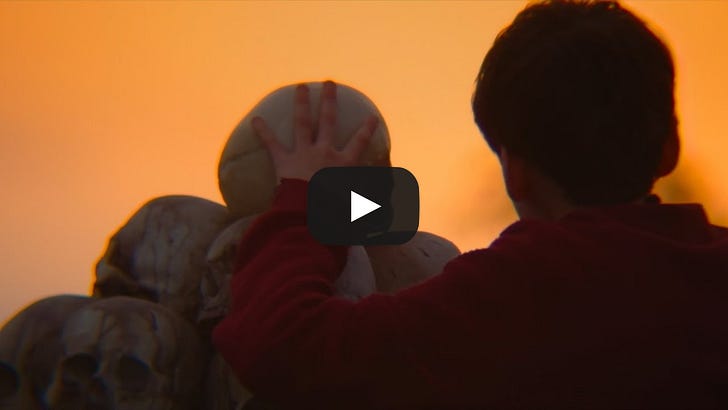
Is it strange to say a zombie movie gave me the most feels this year? In the final moments of 28 Years Later, the main protagonist says a heartbreaking goodbye.
During this emotional scene, Ralph Fiennes’s character reminds him with the words “Memento amorous,” which means “remember you must love.”
Whether in my work as a writer, or in my much more important roles as husband and father, I tend to overly focus on my task. I burn my emotional bandwidth on making sure I’m regulating myself enough to keep getting shit done. But that “memento amorous” electrified me in theaters, and reminded me that love has to be the organizing principle, the thing everything else serves.
Otherwise, what is the point? Again, I recognize that zombie slasher flick is a deeply weird way to have a profound realization about the meaning of life, but that’s the movies for ya baby.
—Evan Armstrong, The Leverage
What truly moved me this year were the calls I have been doing as part of The GrownUp Table, my free mentoring program for women and new immigrants.
—Anna Gát, Interintellect
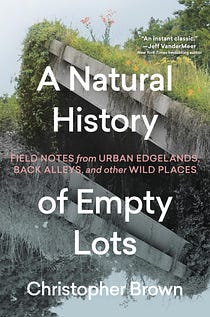
In A Natural History of Empty Lots Christopher Brown (of the Field Notes newsletter) finds simultaneous apocalypse and rebirth in the pockets of nature that thrive in urban edgelands.
And in the way that a good metaphor can become a tender seedling in the asphalt of ideas, it also gave new language to my own work: searching for organic life in the wreckage of the internet.
How thrilling! What a gift the mixture of language and attention can be! I am certain you’ll find anything but emptiness in its lots as well.
—Elan Ullendorff, Escape the Algorithm
The little kid I’m watching as I write this: crouched under his dad’s legs—a man three times his size—trying to lift him up for a piggy back ride; Lonesome Dove; that Lily Allen album; the end of a relationship, the start of another; teenagers jumping from Monhegan’s dock into the wharf to send off the ferry; watching two pigeons kiss on the subway tracks; sitting across from a trio of baby bangs on the B48 and feeling old for the first time; “Maybe happiness is the wrong measurement.”
—Julia Harrison, saloon
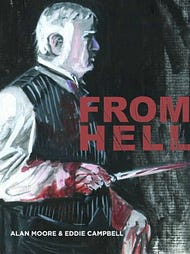
I believe I read both Watchmen and From Hell at the start of this year (time is hazy these days) and was struck by both.
Watchmen is probably one of the best novels I’ve read full-stop and, though I’d heard it was incredible, I was still really astonished by its narrative depth and psychological acuity.
From Hell has possibly stuck with me even more, though I think it’s not quite as soaringly good. Still, the way that Moore paints his grimy characters haunts a few corners of my cerebellum and I will find myself in London occasionally staring at a Hawksmoor church and thinking that work.
—Mario Gabriele, The Generalist
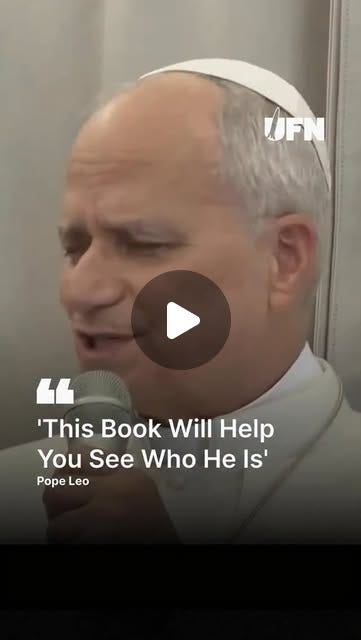
JP Lindsley on Instagram: "Pope Leo says if you want to underst…
Among 2025’s surprises was a new pope. By taking the name Leo XIV, he deliberately echoed Leo XIII—a pope who stared down industrial upheaval and tried to give ordinary people a moral compass for a changing economy.
What moved me wasn’t his grasp of this awesome technology or its accompanying high stakes, but the quiet clue he offered about how he plans to live in the midst of it.
In an interview, he mentioned a small, old book—The Practice of the Presence of God—about turning normal life into prayer, attention, and steadiness. One line keeps following me: “Blind as we are, we hinder God, and stop the current of His graces.” That’s the whole modern problem in a sentence. Per E.O. Wilson, “We are drowning in information, while starving for wisdom.”
In 2026, I want to practice the one thing AI can’t automate: interior attention. No matter your religious practice, the invitation lands: make room for God’s presence in our lives.
—Tom White, White Noise
2025 began with 22 friends and colleagues losing their homes in the LA fires.
After the initial shock, what stayed with me most and moved me the most was how people responded: the generosity, the creativity and then the resilience.
I watched them all make something livable, and even beautiful, out of a terrible situation and it reminded me that all we need is our health and each other.
—Melanie Masarin, Ghia
I had the chance to attend Frieze Soul, where I encountered The Language of The Enemy, an exhibition by Adrián Villar Rojas which occupied all four floors of the Art Sonje Center: “Emerging at a moment when humanity teeters at the edge of its own continuity, Villar Rojas’s work inhabits the liminal space between extinction and inheritance.”
—ANU, WHAT'S ANU
Last year I found my great grandma’s old diaries, they ranged from the moment she met my great grandpa until they got married, which was 16 years being together without a ring—from 1911 to 1927.
As you may imagine, my great grandpa wasn’t the best man, he brought much pain to her and my family, but reading about it made me infinitely grateful for the fact that I have the freedom and independence she never had.
Additionally, she was a writer—as much as she could be during that time at least—so it has been a privilege to read these entries, allowing me to connect with her and see myself within the words she wrote over 100 years ago.
—Mapu, Instead of Doomscrolling
Last fall, I ran a half marathon through New York City with 200 strangers.
Two hundred crazies in running shorts treating the streets like our personal track. A local running club organized it the night before the NYC Marathon for everyone who didn’t get in.
We met near 125th with no course markings or finish line. Just a handful of checkpoints and the understanding that some of us would run 12.3 miles, others 13.9, depending on which way we turned.
We cut through Central Park in the dark, down Broadway through Times Square, weaving between Halloween costumes and delivery drivers who looked at us like we were insane.
No permits, sponsors, or medals — just a bunch of people who love to run.
What moved me was the simplicity of showing up for something that exists just because someone decided it should. It reminded me why I started running in the first place. And that there really is no place like New York.
—Elan Miller, Off Menu
And lastly my answer:
Without a doubt, my first psilocybin journey.
Since then, I’ve become deeply curious about consciousness and the sense that the everyday plane of awareness might only be a tiny sliver of what’s available to us.
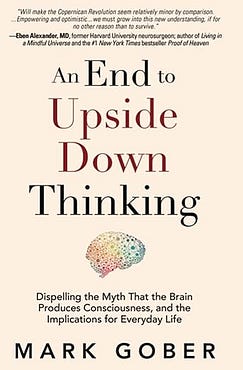
That curiosity led me to reading An End to Upside Down Thinking by Mark Gober. The idea that consciousness might be non-local to the brain has held a grip on me ever since. It feels so good to have a question.
Maybe this is also I was so moved by Rosalia’s latest album, which she described as having verticality, a desire to get closer to the divine.
—Sari Azout